





TL;DR
Macronutrients — protein, carbohydrates, and fats — fuel performance, recovery, and overall health. Balance higher protein for muscle gain, moderate carbs for training energy, and healthy fats for hormone support. Your optimal ratio depends on goals and training load.
What Are Macronutrients?

"Macros" are the three calorie-providing nutrients your body needs in the largest amounts to function and perform:
- Protein — builds and repairs muscle tissue
- Carbohydrates — provide immediate energy for workouts and recovery
- Fats — support hormones, brain function, and long-term energy
Unlike micronutrients (vitamins/minerals), macronutrients drive training output, recovery, and day-to-day energy.
Protein: The Foundation of Muscle Repair and Growth

Protein supports muscle recovery, immune function, and tissue repair — vital for active lifestyles and strength training.
Best sources:
- Chicken, turkey, lean beef
- Fish and eggs
- Greek yogurt, cottage cheese
- Tofu, tempeh, lentils, quinoa
General guidelines:
- Muscle gain: ~1.0–1.2 g per lb body weight
- Weight loss: ~0.8–1.0 g per lb (to preserve lean mass)
- Maintenance: ~0.7–0.9 g per lb
Higher-protein meals promote fullness — useful when managing calories.
Carbohydrates: The Body's Primary Fuel
Carbs power every rep, sprint, and skill session. They replenish muscle glycogen to sustain performance and speed recovery.
Best sources:
- Whole grains (brown rice, oats, quinoa)
- Fruits and vegetables
- Legumes and beans
- Sweet potatoes, whole-grain pasta
General guidelines:
- Muscle gain: ~45–55% of daily calories
- Weight loss: ~30–40%
- Maintenance: ~40–50%
Favor complex carbs and fiber for steady energy; limit refined sugars to avoid crashes.
Fats: The Key to Hormone Balance and Recovery
Healthy fats support hormones, brain health, and absorption of fat-soluble vitamins (A, D, E, K).
Best sources:
- Avocados
- Olive oil and nuts
- Chia and flax seeds
- Fatty fish (salmon, sardines)
General guidelines:
- Muscle gain: ~20–25% of daily calories
- Weight loss: ~25–30%
- Maintenance: ~25–30%
Choose mostly unsaturated fats; minimize trans and heavily processed oils.
How to Balance Your Macros Based on Goals
Start with a calorie target, then allocate macro percentages by goal. Adjust based on performance, recovery, and body-composition feedback.
| Goal | Protein | Carbs | Fats |
|---|---|---|---|
| Muscle Gain | 30% | 45% | 25% |
| Weight Loss | 35% | 35% | 30% |
| Maintenance | 30% | 40% | 30% |
Tips for balancing macros:
- Track intake with a nutrition app (e.g., MyFitnessPal, Cronometer).
- Include protein in every meal for consistent repair.
- Choose whole-food carbs for longer-lasting energy.
- Add healthy fats in moderation for satiety and hormone support.
Pre- and Post-Workout Fueling
Before: prioritize carbs + moderate protein for energy.
After: focus on protein + carbs to replenish glycogen and drive muscle repair.
Example post-workout meals:
- Grilled chicken, rice, and veggies
- Greek yogurt with fruit and honey
- Protein smoothie with banana and almond butter
Smart macro timing supports strength, endurance, and lean muscle gains.
What to Wear for Performance and Comfort
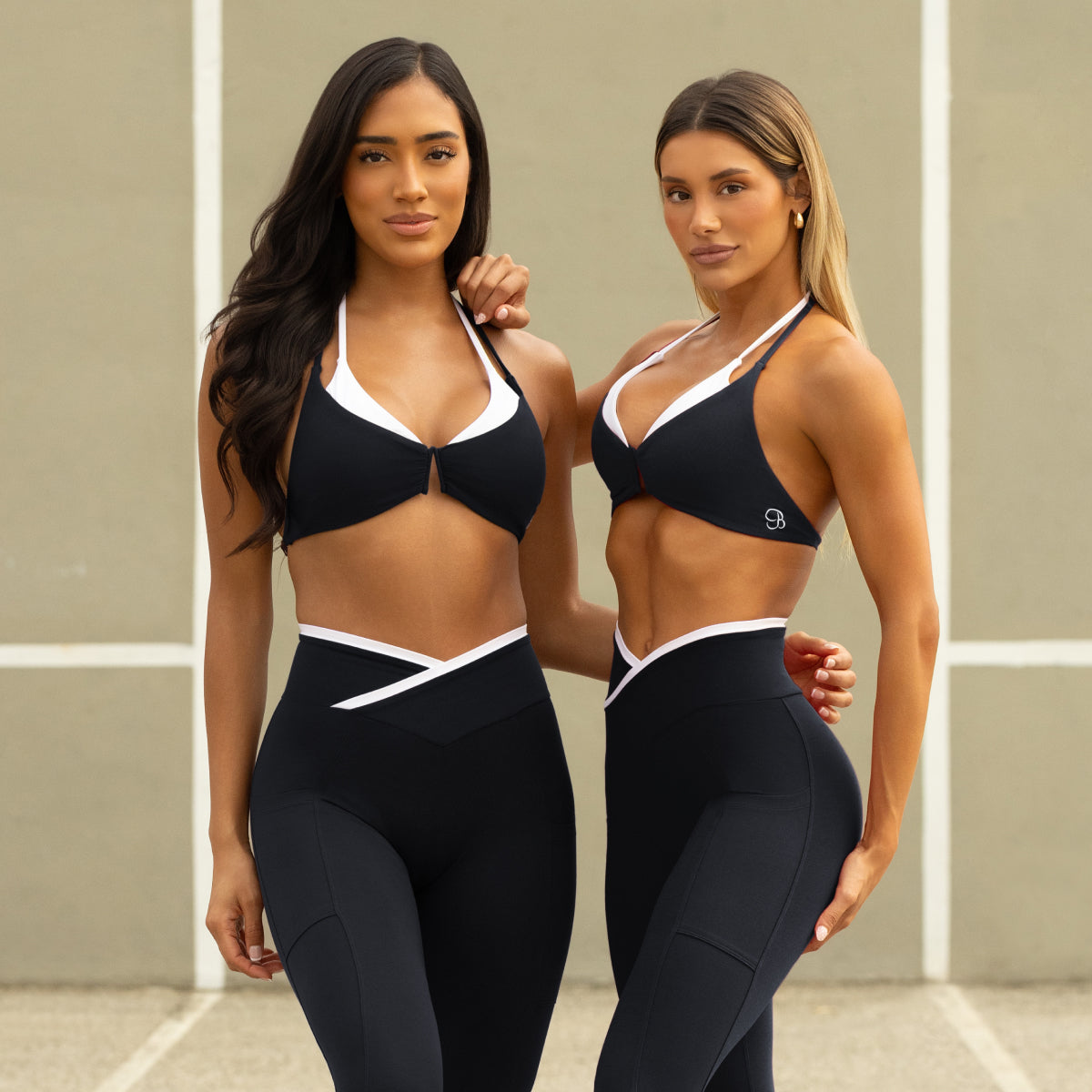
Fuel your body and move with confidence. Bombshell Sportswear's high-performance pieces match your intensity from training to meal prep.
1. Line Contour Leggings

Flattering V-waist with knotted detail; soft, smoothing support that moves with you all day.
2. Peak Twist Bra

Ultra-soft, breathable bra with twist-front design and medium support for studio to street.
3. True Form Bodysuit Shorts

Sculpted fit with removable front straps and bra pads; lightweight and confidence-boosting for training and everyday wear.
FAQs
1) What are macronutrients?
Macronutrients are protein, carbohydrates, and fats,nutrients required in large amounts to provide energy and support overall function.
2) How do I calculate my macros?
Set a daily calorie target, then assign goal-aligned percentages (e.g., 40% carbs, 30% protein, 30% fats) and refine based on performance and body-comp changes.
3) What should my macros be for muscle gain?
Aim for higher protein and carbs to support repair and glycogen (e.g., ~30% protein, 45% carbs, 25% fats).
4) Are fats bad for you?
No — focus on unsaturated fats (avocado, nuts, olive oil) to support hormones and long-term health.
5) What are good post-workout macro meals?
Protein + carbs, such as chicken with rice and veggies or a smoothie with banana and protein powder.
Final Takeaway
Balancing macronutrients is strategy, not restriction. Protein fuels strength, carbs power performance, and fats support hormones and recovery.
Whether your goal is muscle gain, weight loss, or maintenance, dialing in your macros helps you train harder, recover smarter, and feel your best, powered by Bombshell Sportswear.
Medical Disclaimer
This article is for educational purposes only and is not a substitute for personalized medical or nutrition advice. Consult your physician, registered dietitian, or qualified healthcare provider before making dietary changes, especially if you have medical conditions or take medications that affect metabolism or appetite.