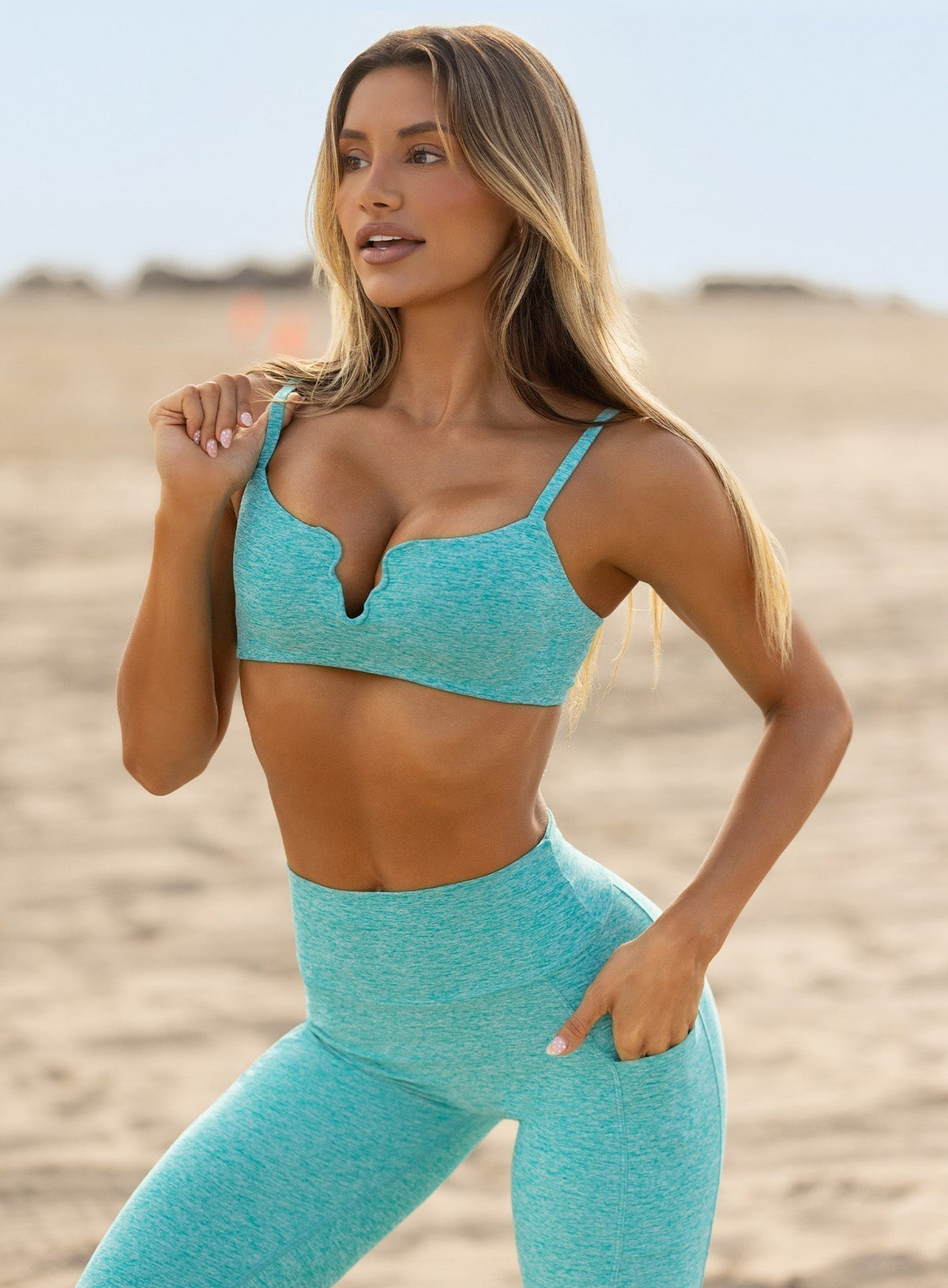
Water regulates temperature, powers muscle function, and protects focus. Use this guide to hydrate before, during, and after workouts for peak performance.
TL;DR
Hydration is the foundation of performance. Even mild dehydration can sap energy, strength, and focus — making consistent fluid intake one of the simplest, most powerful tools for training and recovery.
Why Hydration Matters

Water accounts for ~60% of body mass and supports nearly every physiological process. During workouts you lose fluid through sweat and respiration. Without timely replacement, dehydration increases fatigue, cramps, dizziness, and slows recovery.
Hydration supports:
- Muscle performance — keeps fibers firing efficiently
- Joint health — maintains lubrication for smooth movement
- Circulation — delivers oxygen and nutrients to working muscles
- Temperature regulation — prevents overheating and early fatigue
How Dehydration Affects Performance
Even small fluid deficits measurably impact output and recovery.
Mild dehydration (≈1–2% body weight loss)
- Early fatigue and reduced endurance
- Lower focus and slower reaction time
- Headaches or lightheadedness
Moderate to severe dehydration (≈3–5%+)
- Muscle cramps and perceived weakness
- Elevated heart rate and effort
- Higher risk of heat exhaustion or injury
If training feels sluggish and soreness lingers, under-hydration may be the bottleneck.
How Much Water Do You Really Need?
Needs vary by size, intensity, climate, and sweat rate. Use these general starting points and adjust by thirst, urine color (pale straw), and body-weight change:
| Activity Phase | Recommended Hydration |
|---|---|
| Before workout | ≈400–600 mL (about 2–3 cups) ~2 hours prior |
| During workout | ≈150–250 mL (½–1 cup) every 15–20 minutes |
| After workout | ≈500–700 mL (2–3 cups) per pound (≈0.45 kg) lost |
Tip: If possible, weigh before/after to estimate sweat loss; otherwise, sip steadily until urine is pale yellow.
What to Drink Before, During, and After Workouts
Before
Arrive hydrated with water or a light electrolyte drink. Starting topped-up prevents performance dips later.
During
Under 60 minutes: water usually suffices. Over 60 minutes or high heat/intensity: use electrolytes + carbohydrates to replace sweat minerals and fuel output.
After
Rehydrate with water, coconut water, or an electrolyte recovery drink to restore fluid balance and support repair.
Signs of Dehydration
Catch early cues before performance drops:
- Dry mouth or cracked lips
- Headache or lightheadedness
- Muscle cramps or unusual soreness
- Low energy or unusual fatigue
If multiple symptoms appear, pause, cool down, and rehydrate.
Hydration and Recovery
Fluids transport nutrients, aid protein synthesis, and remove metabolic byproducts. Without adequate hydration, recovery slows — even when training and nutrition are strong. Pair smart hydration with sleep, mobility work, and balanced meals for complete restoration.
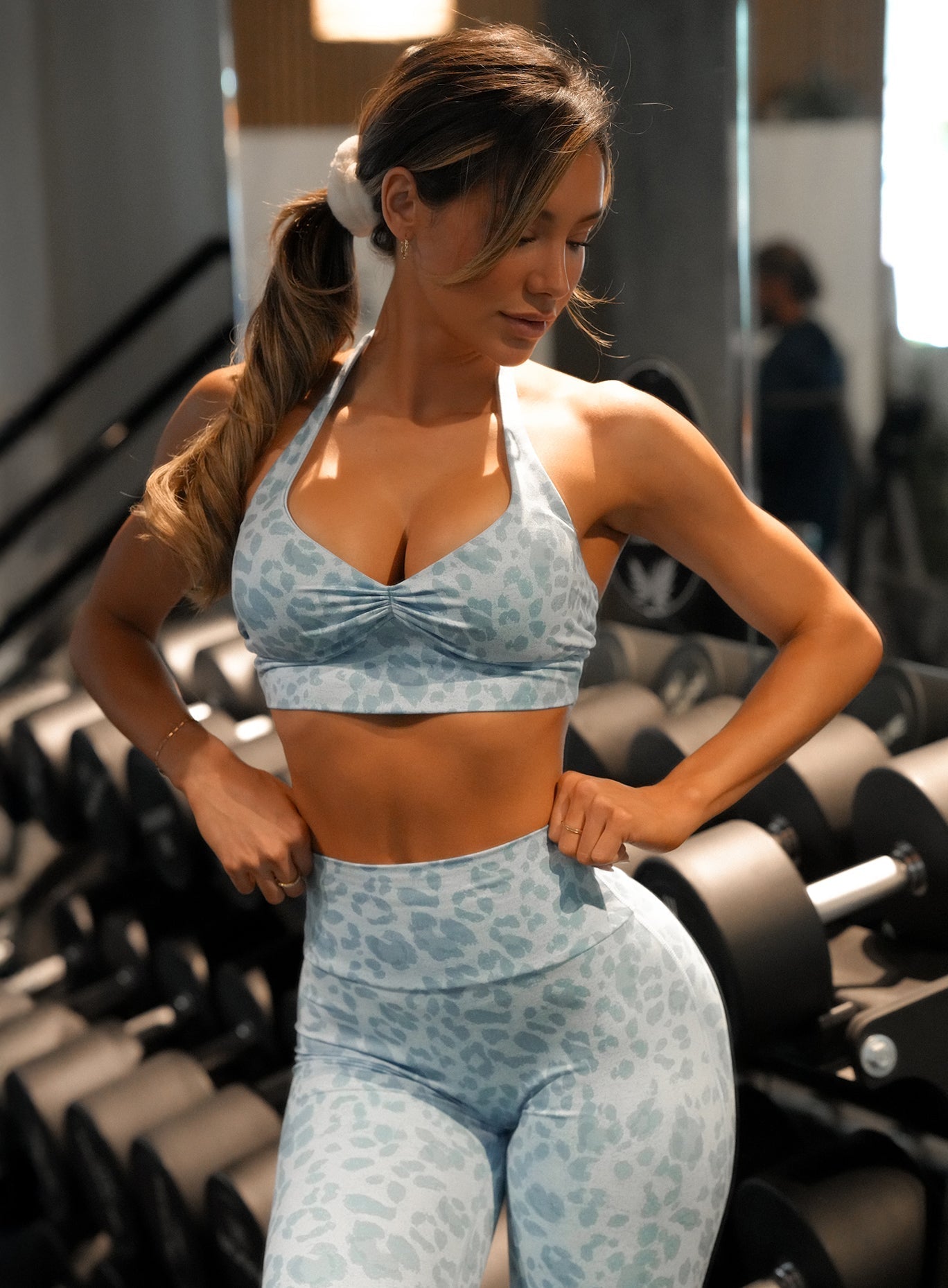
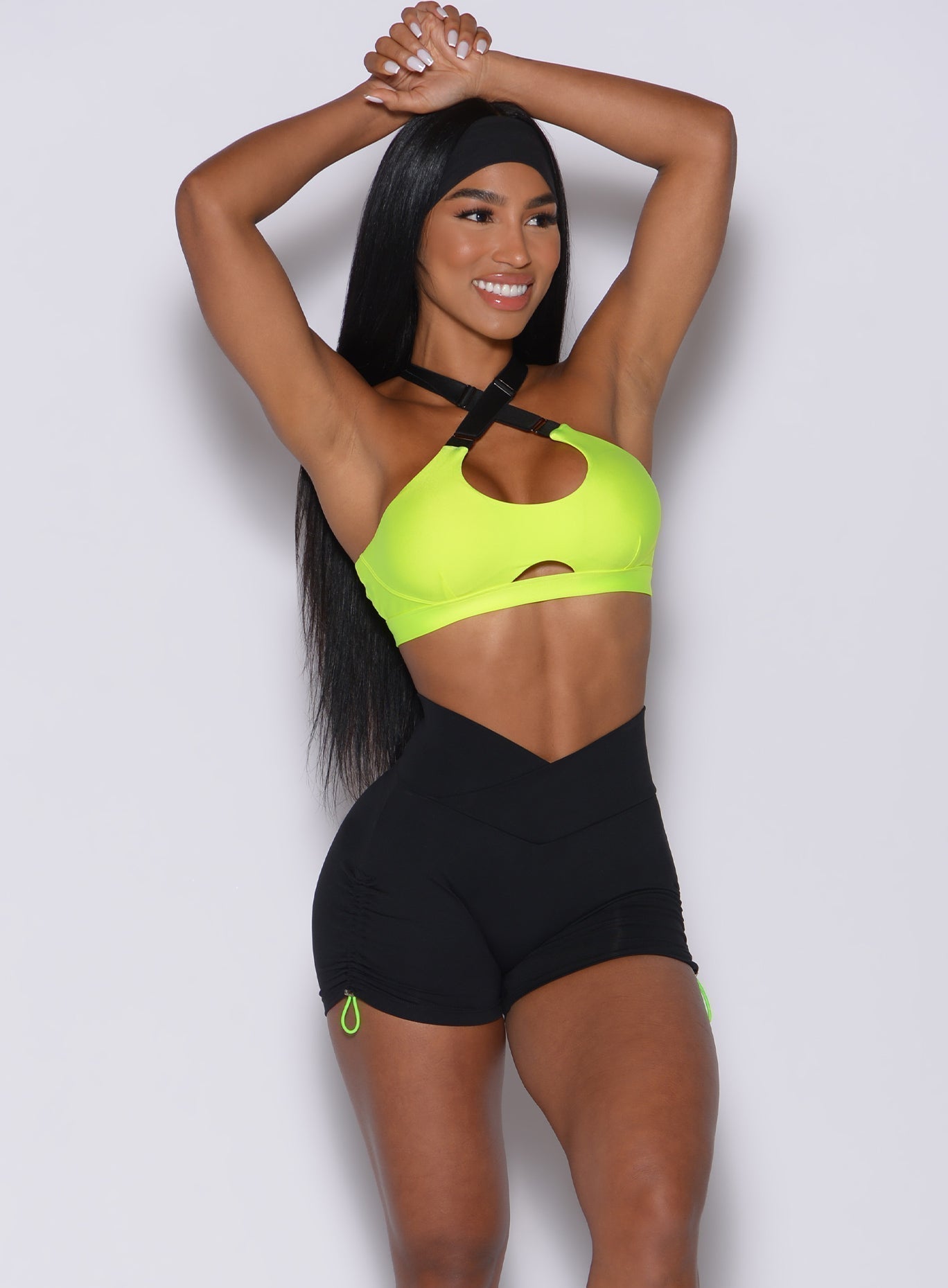
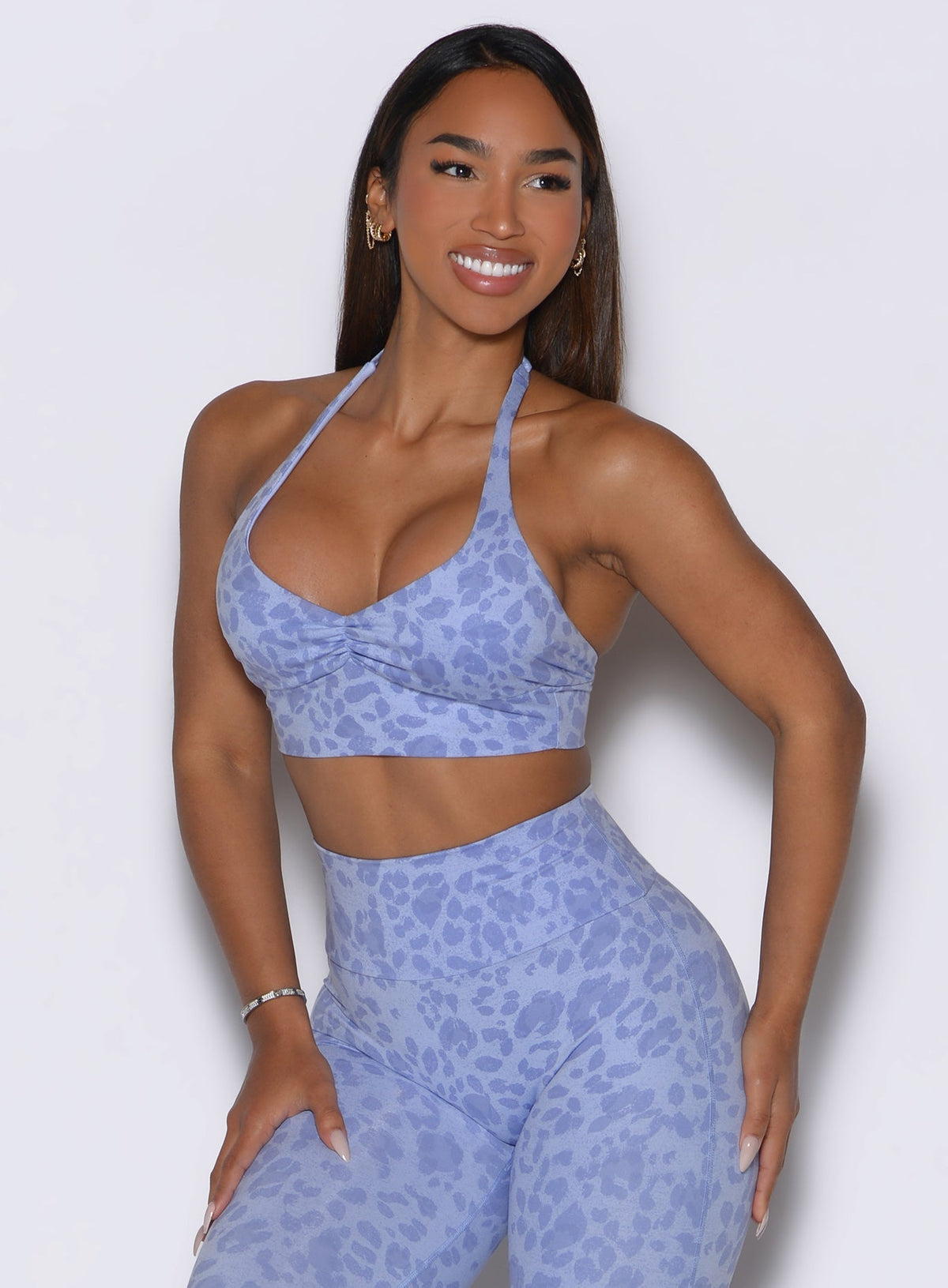
What to Wear to Stay Cool and Comfortable
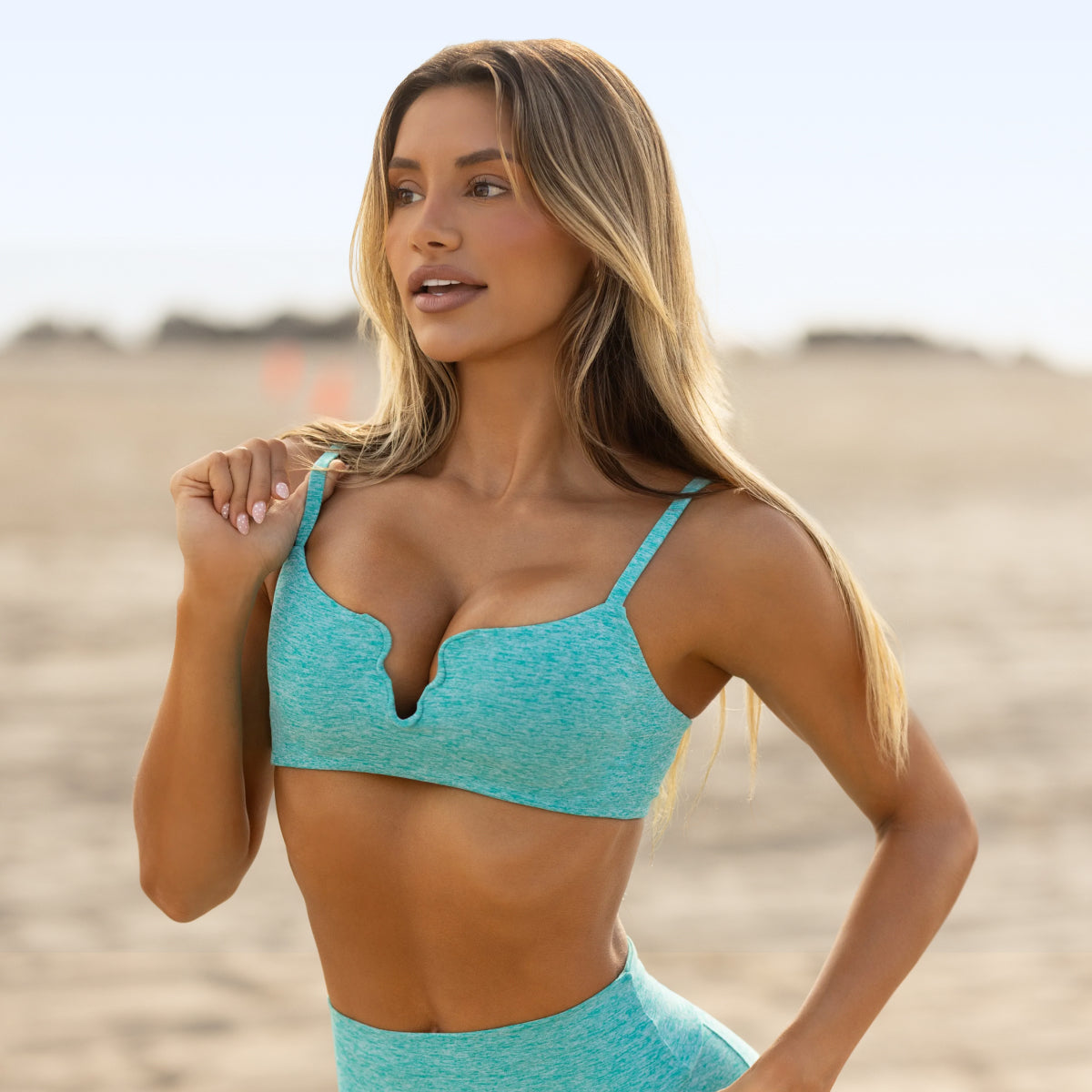
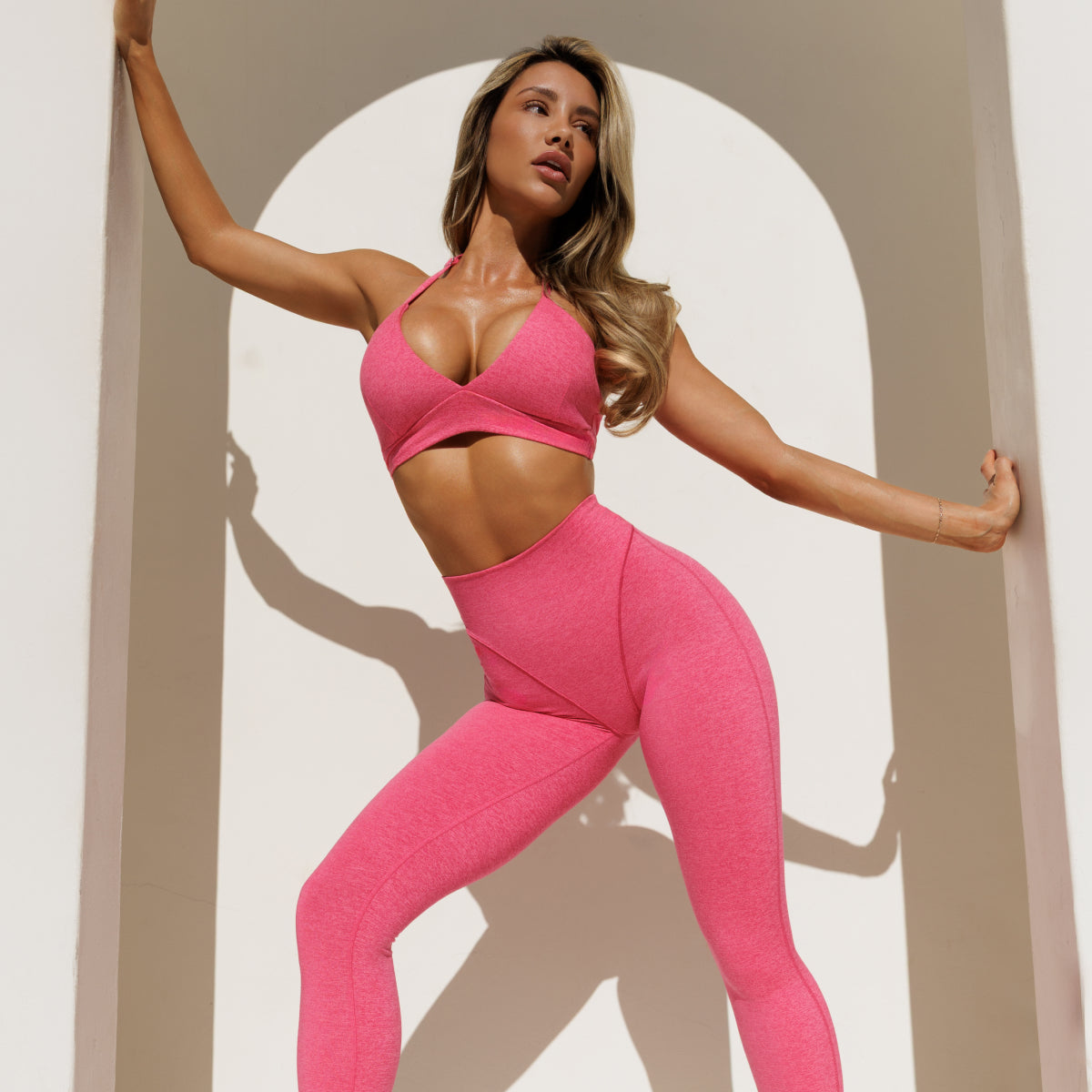
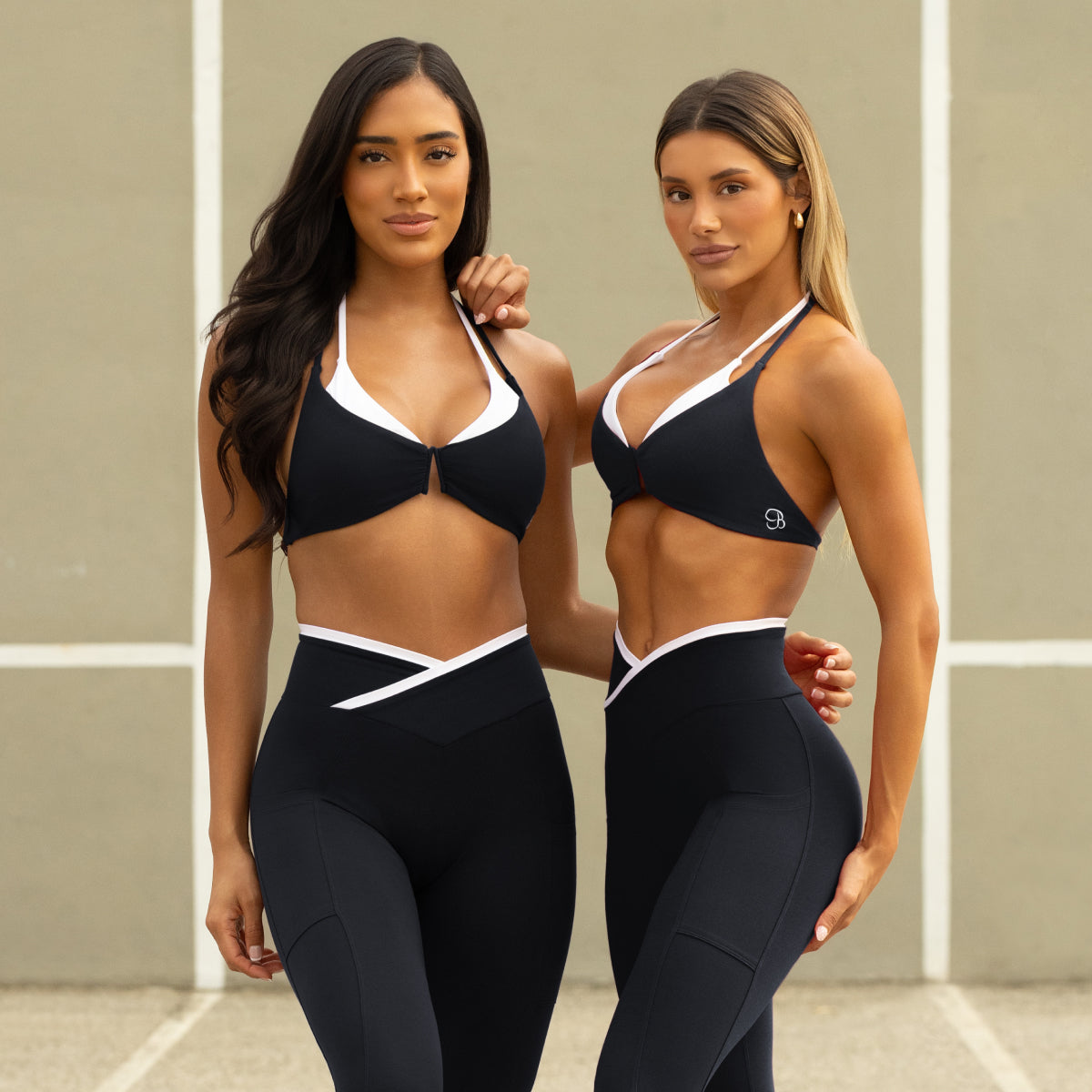
Breathable, sweat-wicking layers help control body temperature and reduce fluid loss through excessive sweating.
1. Wave Wire Leggings

Sculpting fit with silky, high-stretch fabric for confident movement and breathable comfort.
2. Lift Movement Shorts

A straight waistband contours your waist with a flattering, stay-put fit, while seamless construction and a no-front-seam design with a gusset create a smooth, sculpted shape.
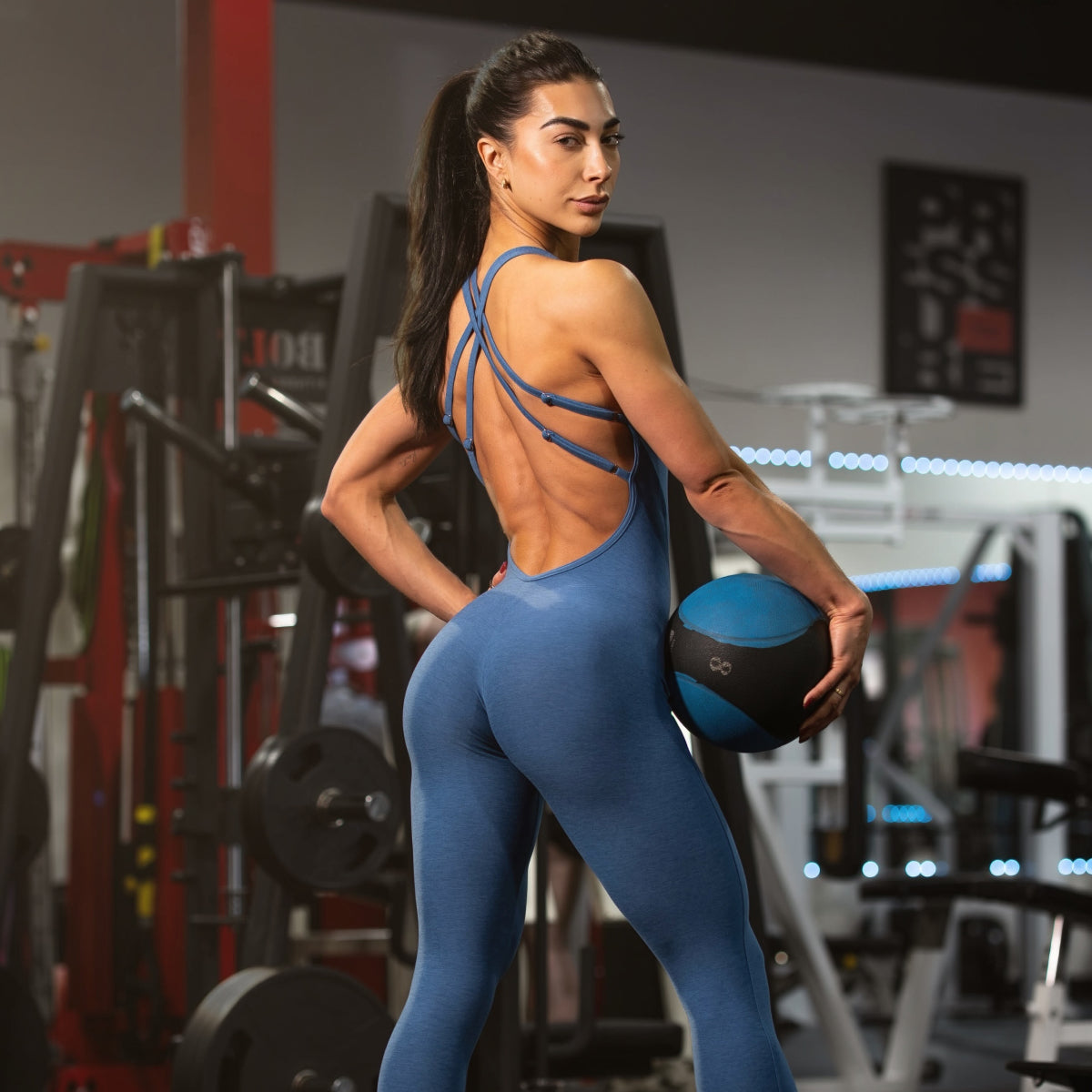
3. Backless Bra

Minimal, cloud-soft support with wide adjustable straps to reduce pressure and keep you cool all day.
FAQs
1) Why is hydration important in fitness?
Proper hydration supports muscle function, energy production, temperature regulation, and recovery.
2) How much water should I drink per day?
As a baseline, aim for ~2–3 liters daily and increase with heat, altitude, or intense training.
3) What should I drink after a workout?
Water and electrolyte drinks (e.g., coconut water or sports beverages) help replace fluids and minerals lost through sweat.
4) Can dehydration affect muscle recovery?
Yes. Even mild dehydration can increase soreness and slow muscle repair.
5) What are early signs I'm dehydrated?
Dry mouth, fatigue, cramps, headache, and darker urine. Rehydrate and rest if symptoms appear.
Final Takeaway
Hydration is part of your training plan — not an afterthought. Drink consistently before, during, and after exercise to perform stronger, recover faster, and feel better.
Stay cool, confident, and hydrated with breathable, high-performance gear from Bombshell Sportswear.
Medical Disclaimer
This article provides general educational information and is not a substitute for medical advice. Talk with your physician or a qualified healthcare provider about hydration needs, especially if you have heart, kidney, or endocrine conditions or take medications that affect fluid balance.