


Setting fitness goals should feel empowering, not overwhelming. Yet many women start the year strong with a new fitness resolution, only to feel frustrated weeks later when motivation drops or progress feels slow.
The truth is, results don't come from extreme plans. They come from realistic, well-structured fitness goals that fit your lifestyle, energy, and body. This guide breaks down how to set fitness goals you can actually stick to without guilt, burnout, or all-or-nothing thinking.
Why Most Fitness Goals Fail

Most goals fall apart because they are:
- Too vague ("get in shape")
- Too aggressive ("work out every day")
- Not aligned with real schedules or energy levels
- Focused only on outcomes, not habits
Achievable goals are built around consistency, not perfection.
Step 1: Start With Your "Why"

Before choosing numbers, workouts, or timelines, get clear on your reason.
Ask yourself:
- Do I want more energy?
- Do I want to feel stronger or more confident?
- Do I want to reduce stress or improve mood?
Your "why" keeps you going when motivation dips. A strong reason turns a temporary fitness resolution into a long-term habit.
Step 2: Set Clear, Specific Fitness Goals

Vague goals are hard to follow. Specific goals create direction.
Instead of:
- "Work out more"
Try:
- "Strength train 3 times per week"
- "Walk 8,000 steps on weekdays"
- "Improve my squat form and strength"
Clarity removes guesswork and builds momentum.
Step 3: Make Goals Realistic for Your Life

A goal only works if it fits your real schedule.
When learning how to set fitness goals, ask:
- How many days can I realistically train?
- How long can my sessions be?
- What type of movement do I actually enjoy?
A plan you can maintain at 80% consistency beats a perfect plan you abandon in two weeks.
Step 4: Focus on Habits, Not Just Results

Results come from behaviors repeated over time.
Instead of obsessing over outcomes like weight or measurements, focus on habits such as:
- Showing up for workouts
- Fueling your body properly
- Prioritizing sleep and recovery
Habits build confidence. Confidence drives results.
Step 5: Track Progress Beyond the Scale

Progress shows up in many ways.
Look for:
- Increased strength or endurance
- Better mood and energy
- Improved form and mobility
- More consistency week to week
Tracking non-scale wins keeps motivation high and helps you stay committed to your fitness goals.
Step 6: Adjust, Don't Quit

Life changes. Your goals should be flexible too.
If you miss a week or fall off track:
- Adjust the plan
- Reduce intensity temporarily
- Refocus on consistency
Falling behind doesn't mean failure — it means recalibration.
Step 7: Build an Environment That Supports Your Goals

Your surroundings matter more than willpower.
Simple support strategies:
- Lay out workout clothes ahead of time
- Schedule workouts like appointments
- Choose gear that makes you feel confident and comfortable
When your environment supports your goals, showing up becomes easier.
Final Takeaway
The most powerful fitness goals are realistic, flexible, and rooted in self-respect. When you understand how to set fitness goals that fit your life, consistency becomes natural and results follow.
Progress isn't about doing more. It's about doing what you can sustain.
Support Your Fitness Goals With Bombshell Sportswear
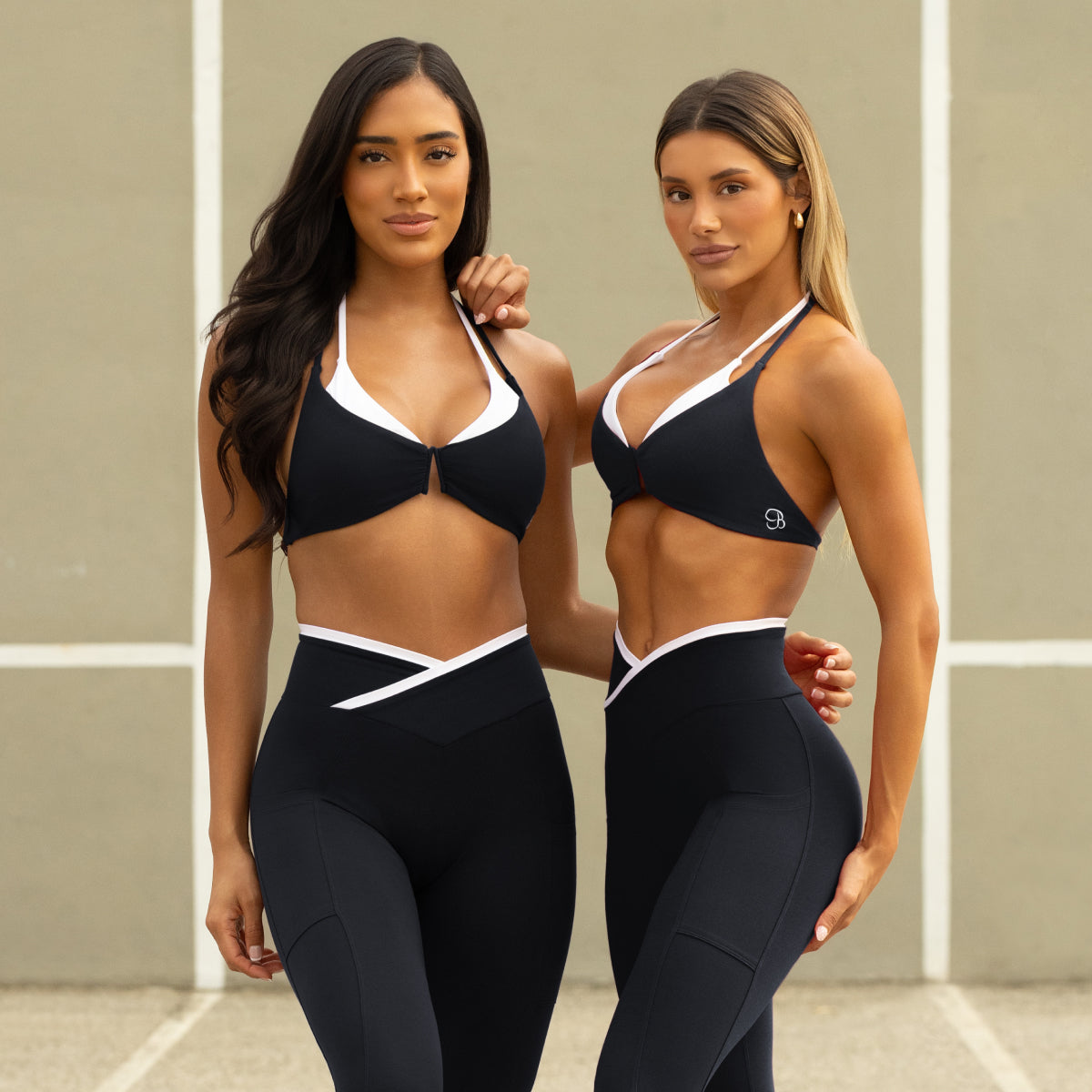
Confidence and consistency start with how you feel when you show up. Bombshell Sportswear designs sculpting, supportive activewear that moves with you through every phase of your fitness journey — training days, rest days, and everything in between.
Shop Bombshell Sportswear and build a wardrobe that supports your fitness goals.
FAQs: Setting Fitness Goals
1. How many fitness goals should I set at once?One to three goals is ideal. Too many goals dilute focus and reduce consistency.
2. How long should I give a fitness goal before changing it?Commit to at least 4–6 weeks before adjusting. This allows enough time to see progress or patterns.
3. Are fitness resolutions different from fitness goals?A fitness resolution is often a broad intention. Fitness goals are specific, actionable steps that turn intention into results.
4. What if I lose motivation halfway through?Motivation naturally fluctuates. Rely on routines, habits, and your original "why" instead of waiting to feel motivated.
5. Can fitness goals change over time?Absolutely. Goals should evolve as your strength, schedule, and priorities change.