Powerlifting isn't just about lifting heavy. It's about precision, discipline, and the confidence that comes from mastering your body under a barbell. For women, powerlifting is transformative. It builds strength you can feel, creates curves through muscle, improves athletic performance, and develops the kind of mental resilience that carries into everything else.
Whether you're brand-new to the platform or ready to level up, this guide breaks down the essential powerlifting exercises, a structured powerlifting workout you can follow, and the upper body strength training that ties it all together.

Medical Disclaimer
This article is for informational purposes only and is not intended to substitute for professional medical advice, diagnosis, or treatment. Always seek the advice of your physician, registered dietitian, or qualified healthcare provider before making changes to your diet or exercise routine, especially if you have preexisting conditions or specific nutrition needs.
What Is Powerlifting (and Why Women Are Dominating It)
Powerlifting is built on three lifts: the squat, the bench press, and the deadlift. These are the cornerstone powerlifting exercises that develop total-body strength, and women are exceptionally strong in two of the three. Lower-body dominance makes the squat and deadlift natural fits, which is why women's powerlifting has exploded over the past few years.
Beyond the platform, powerlifting increases bone density, builds powerful glutes and legs, strengthens your entire posterior chain, and develops functional strength that makes everyday life feel easier. It's also one of the most effective ways to build lean muscle while training toward measurable goals.
The Big Three: Must-Know Powerlifting Exercises
These three lifts are your foundation. Master them, and everything else gets stronger.
The Barbell Squat
The queen of lower-body strength. It builds glutes, quads, hamstrings, and core stability while teaching you how to brace and generate force from the ground up.
- Feet shoulder-width apart
- Drive your knees out
- Sit your hips back and down
- Keep your chest lifted
- Push through your heels
Every rep should feel controlled and intentional.
The Bench Press
The best upper-body strength builder for pressing power and chest development. It works your chest, triceps, shoulders, and stabilizers.
Upper body strength doesn't just improve your bench numbers — it supports your squat setup and your deadlift lockout too.
The Deadlift
The ultimate full-body strength movement. It hits glutes, hamstrings, back, core, and grip strength all in one pull.
- Conventional and sumo are the two competition stances
- Sumo tends to favor women with strong hips and glutes
- The Romanian deadlift is a key variation for building hamstring strength as an accessory
How to Structure a Powerlifting Workout for Upper Body Strength Training
1. Warm up (5–8 min) — Do hip openers, ankle mobility, banded glute activation, scapular retraction, and 1–2 minutes of light cardio. This lowers your injury risk and actually makes you stronger on your main sets. Don't skip it.
2. Main lift — pick one of the "big three" — Each session focuses on one big lift:
- Day 1: Squat
- Day 2: Bench
- Day 3: Deadlift
Do 4–5 working sets, choosing a rep scheme based on your goal:
- Strength: 5 sets of 5
- Heavy days: 5 sets of 3
- Building muscle (hypertrophy): 4 sets of 8
3. Accessory work (4–6 exercises) — This is where you build muscle, improve form, and fix weak spots. Match the exercises to the day's main lift:
- Squat day: leg press, lunges, Bulgarian split squats, hamstring curls
- Bench day: push-ups, shoulder press, incline dumbbell press, tricep pushdowns
- Deadlift day: Romanian deadlifts, back extensions, hip thrusts, lat pulldowns
4. Cool down (3–5 min) — Stretch your hamstrings, open your hips, work on thoracic spine mobility, and finish with light walking or deep breathing. Your body builds strength while it recovers — so take this seriously.
Beginner-Friendly Powerlifting Workout: A 3-Day Split
This sample program gives you a starting point. Adjust weights based on your current level and build progressively.
| Day 1 — Squat Focus | Day 2 — Bench Focus | Day 3 — Deadlift Focus |
|---|---|---|
Exercise / Sets × Reps:
|
Exercise / Sets × Reps:
|
Exercise / Sets × Reps:
|
As you progress, you can increase weight incrementally, add a fourth training day, or incorporate power work like box jumps and farmer's carries. For a broader weekly structure, our gym workout guide for women covers how to organize your full training week.
What to Wear for a Powerlifting Workout

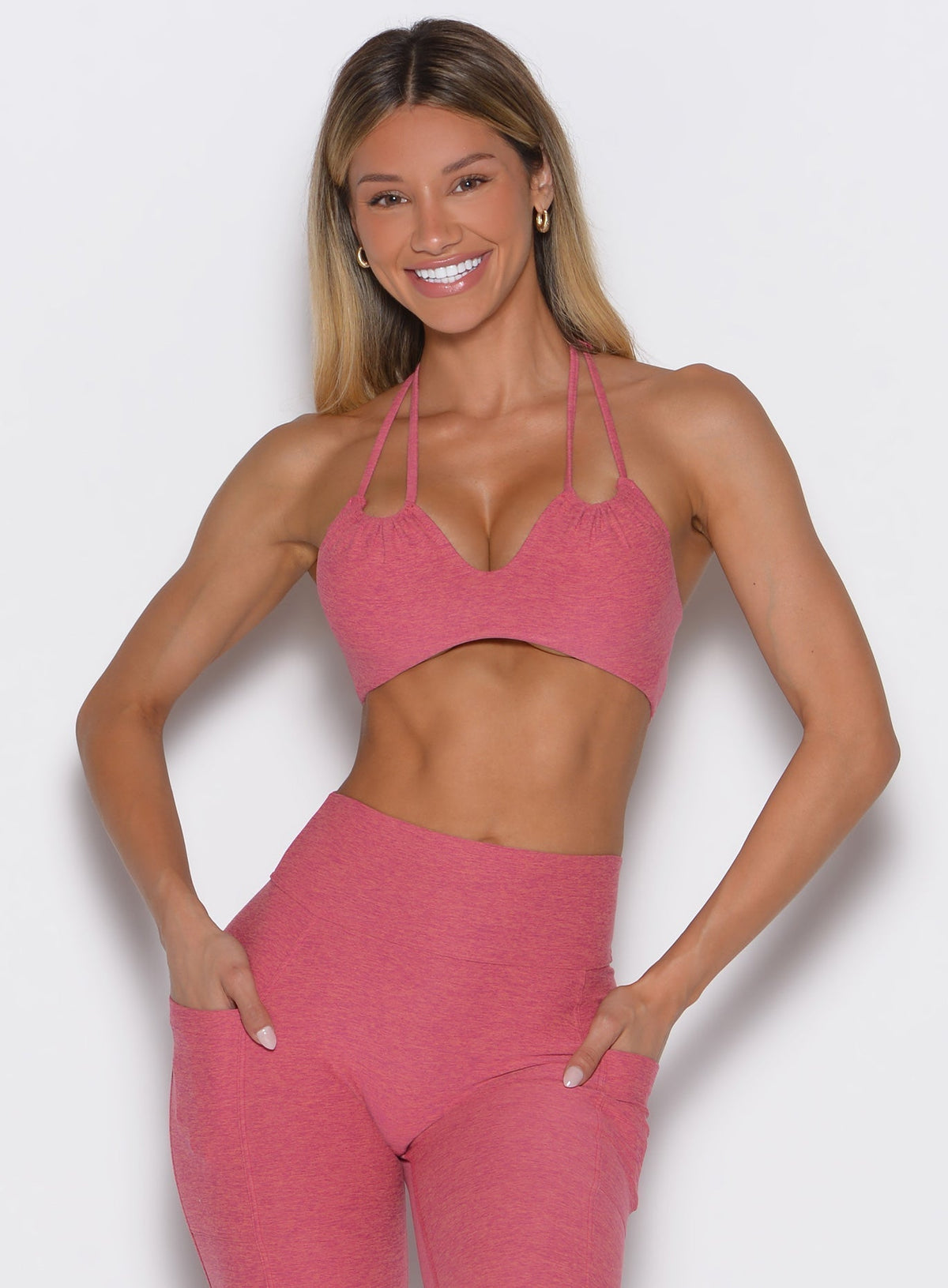
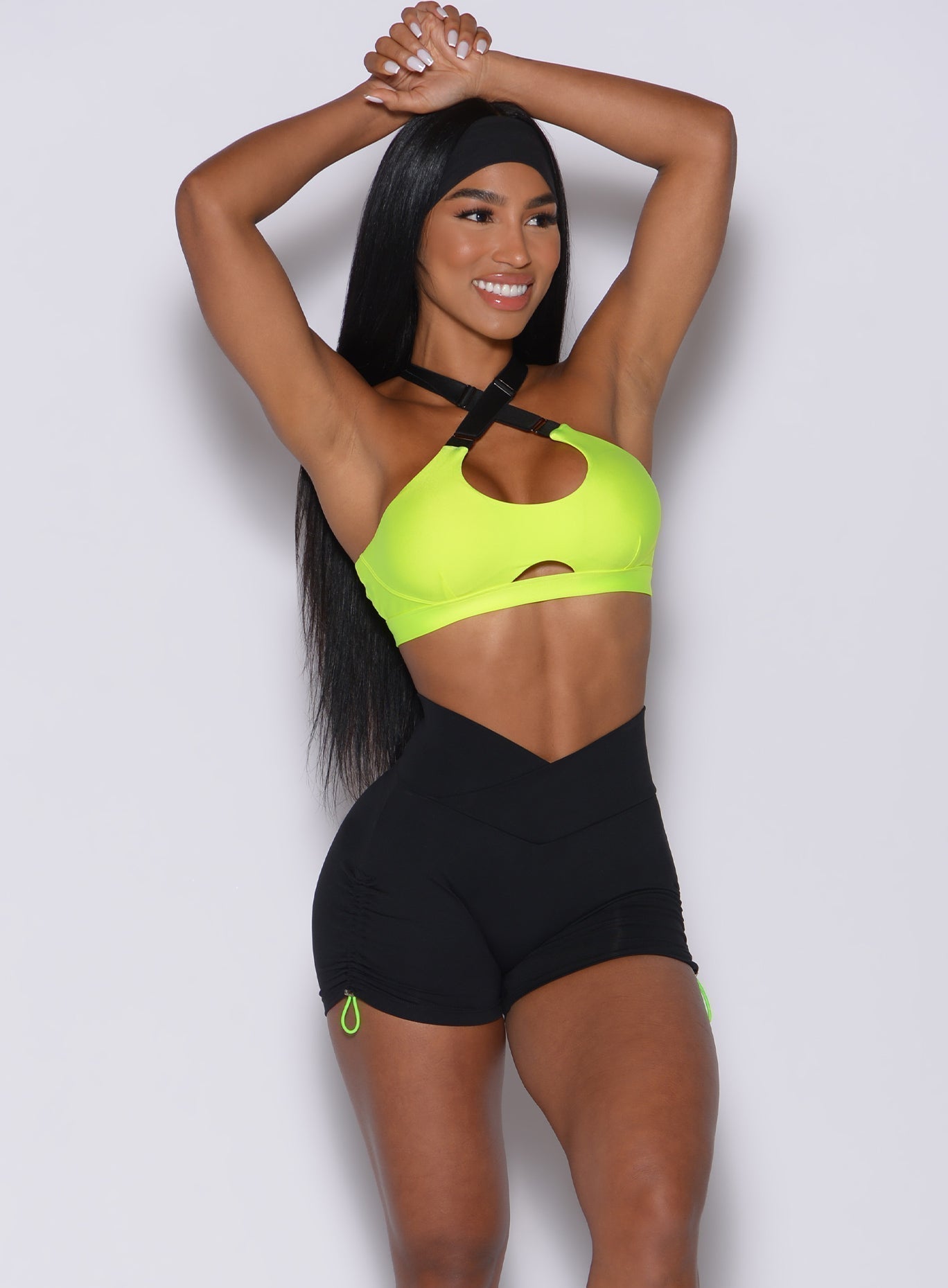
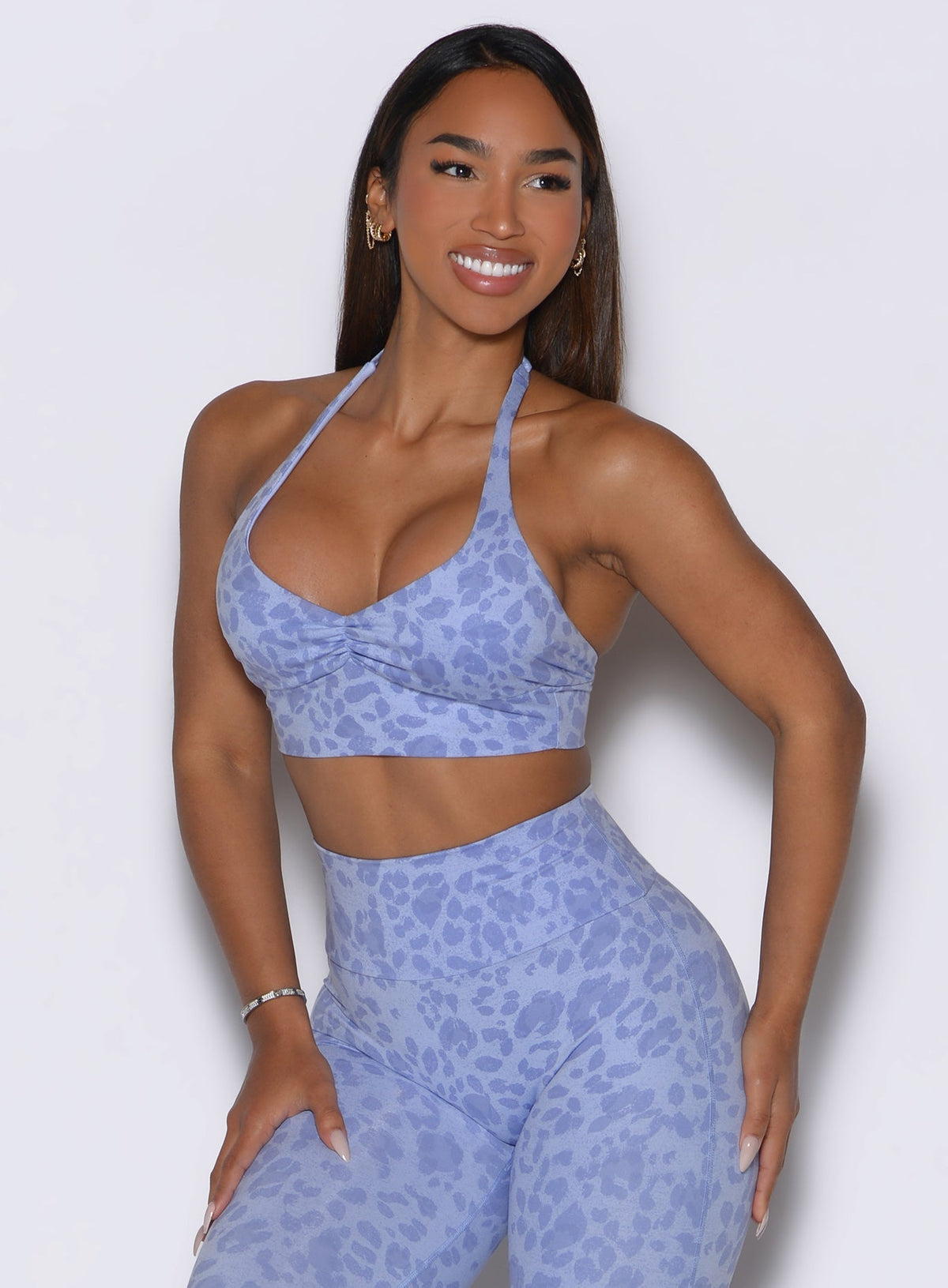
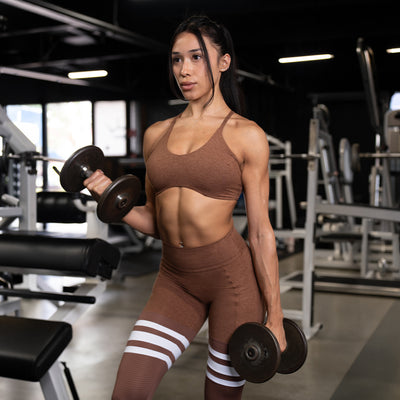
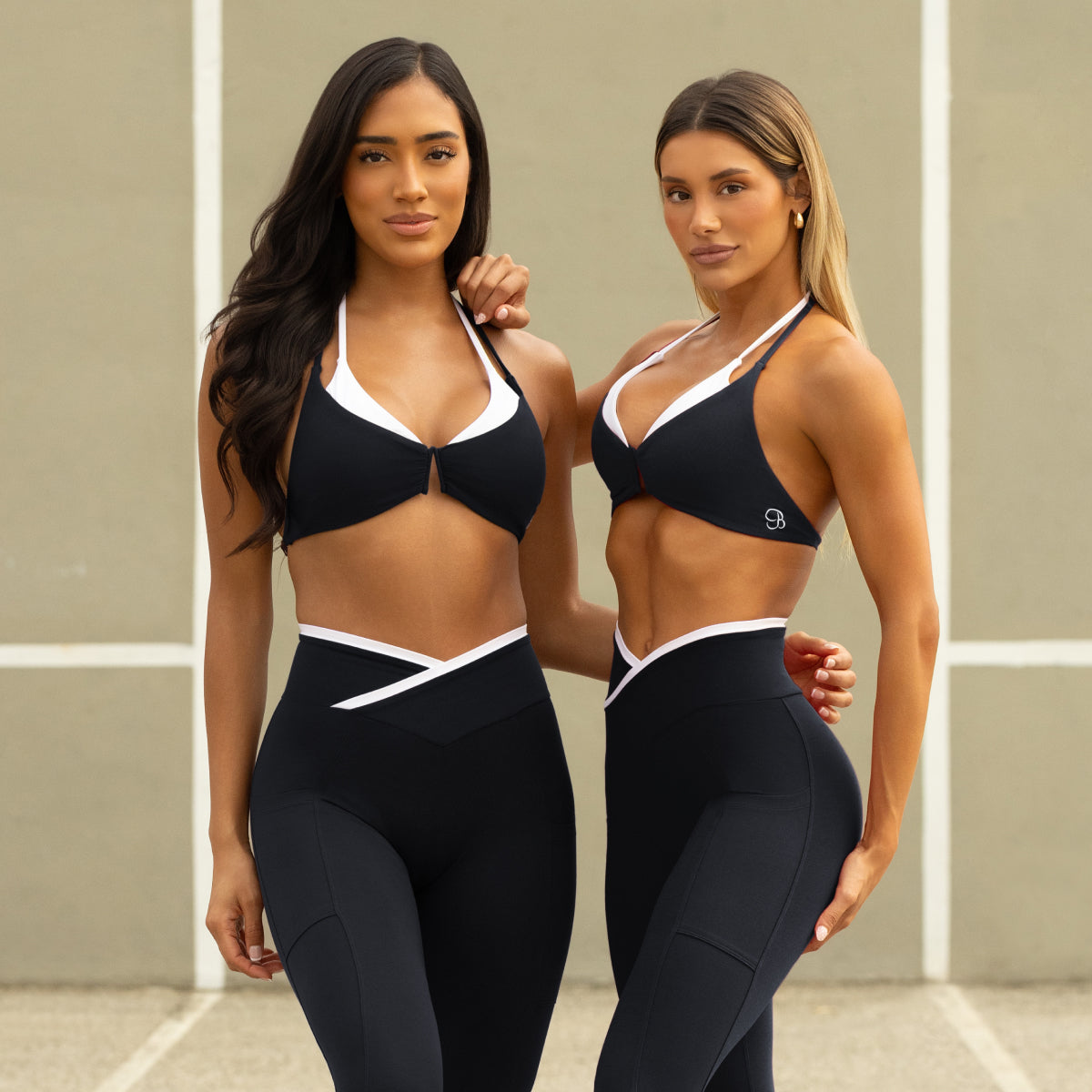
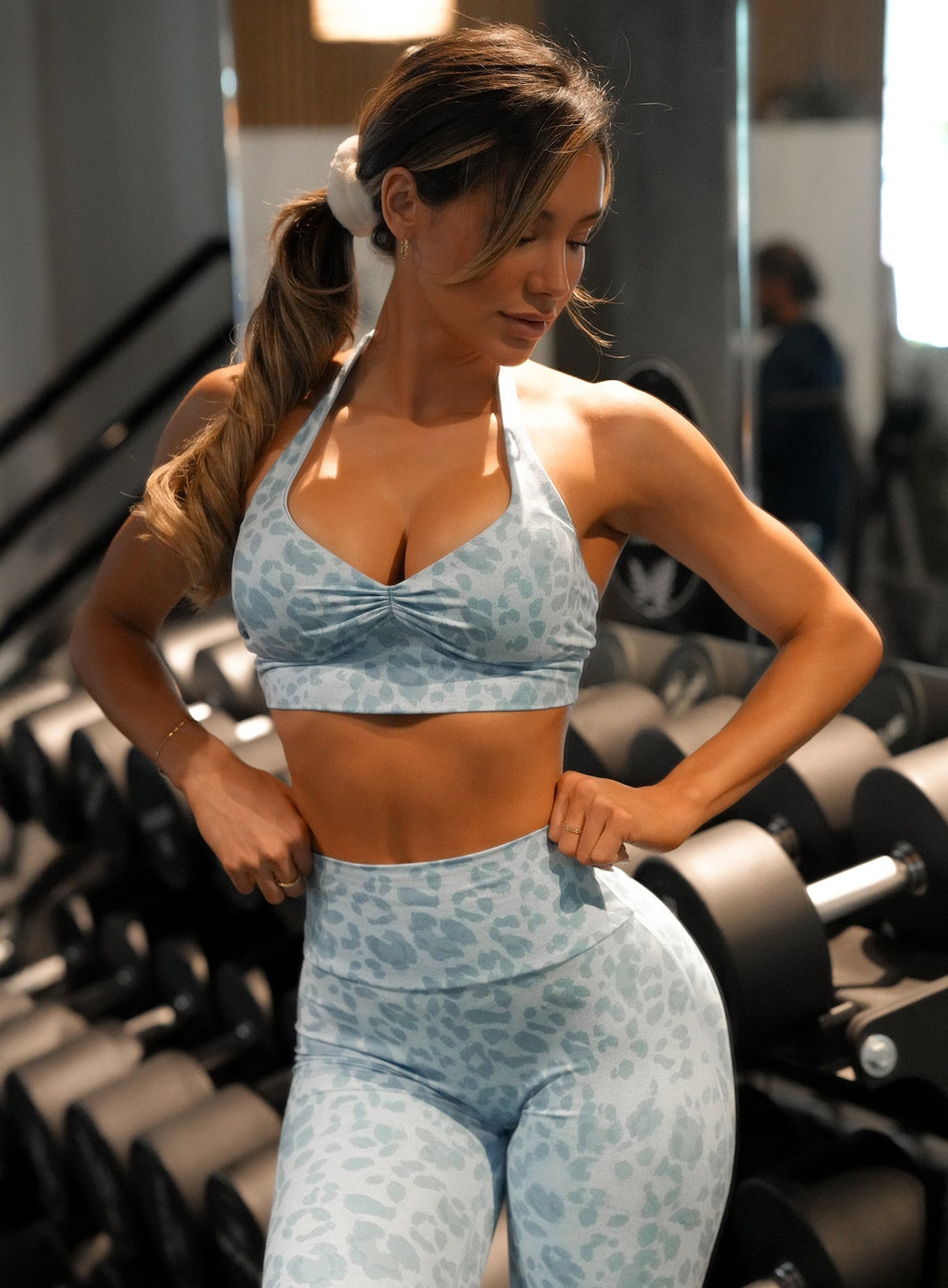
Powerlifting demands clothing that supports heavy movement without restricting your range of motion. You need a locked-in fit through squats, enough mobility for bench setup, and fabric durable enough to handle barbell contact.
- Compressive, squat-proof leggings are non-negotiable for lower body days
- Performance shorts give you mobility without sacrificing support on deadlift days
- A high-support sports bra keeps everything secure during pressing, pulling, and bracing
Train Strong, Lift Smart
Powerlifting is about more than heavy weights. It's about confidence, discipline, and becoming the strongest version of yourself. Master the core powerlifting exercises, build strength with consistent upper body strength training, and follow a structured powerlifting workout to see results that go far beyond the gym.
Show up, push with intention, and watch your strength climb.
Shop Bombshell Sportswear and train with confidence in performance leggings, supportive sports bras, and shorts designed for women who lift with purpose.
FAQs: Powerlifting for Women
1. What are the main powerlifting exercises?
The three competition powerlifting exercises are the barbell squat, bench press, and deadlift. These compound movements build total-body strength and form the foundation of every powerlifting program. Accessory lifts like rows, overhead presses, and hip thrusts support progress on the big three.
2. How does upper body strength training help with powerlifting?
Upper body strength training directly improves your bench press, but it also stabilizes the barbell during squats and strengthens your back for deadlifts. Movements like barbell rows, overhead presses, and lat pulldowns build the supporting muscle that lets all three lifts keep progressing.
3. What does a good powerlifting workout look like for beginners?
A beginner powerlifting workout typically follows a 3-day split: one squat day, one bench day, and one deadlift day. Each session includes the main lift at 5 sets of 5 reps, followed by 4 to 6 accessory movements at moderate volume. Start light, focus on form, and increase weight gradually.
4. How many days a week should I train for powerlifting?
Three days per week is ideal for beginners, with at least one rest day between sessions. Intermediate lifters can move to four days. Rest days are critical in powerlifting because your body builds strength during recovery, not during the workout itself.
5. What should I wear for powerlifting?
You need compressive leggings that are squat-proof and stay in place under heavy loads, a high-support sports bra for pressing and bracing, and durable fabric that can handle barbell contact without pilling or thinning.