


How women's activewear transformed from modest, restrictive garments to performance-driven, fashion-forward staples you can wear anywhere.
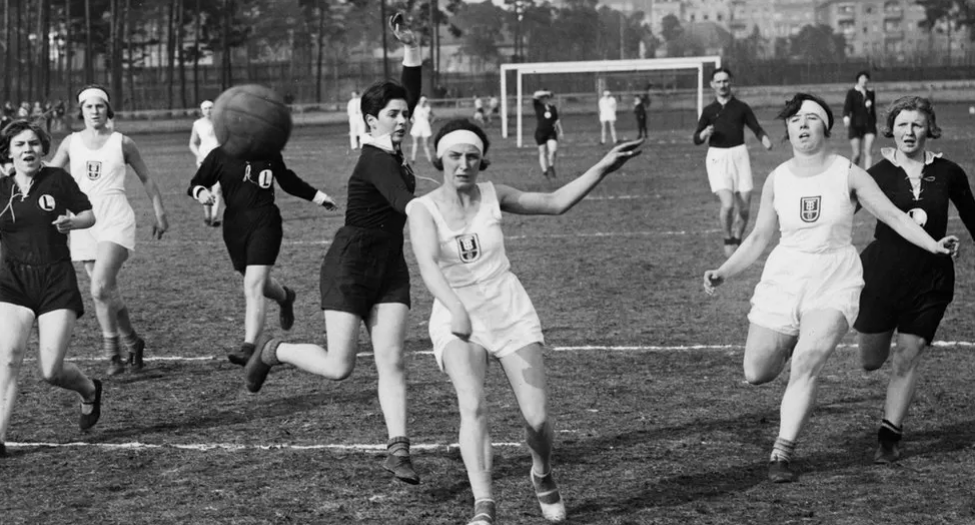
Today's women's activewear is a perfect blend of performance and style, influenced by evolving activewear trends. It keeps you supported in the gym, comfortable on a walk, and fashionable enough for brunch afterward. But it wasn't always this way. The history of activewear reveals a fascinating transformation from purely functional garments to versatile, fashion-forward pieces that fit into every aspect of a woman's lifestyle.
The Early Days: Performance Over Style
In the early 20th century, women's sportswear was designed for modesty and practicality rather than freedom of movement. Heavy fabrics, long skirts, and minimal stretch meant workouts and sports were often restrictive. Comfort and performance took a back seat to societal expectations of appearance.
It wasn't until the 1970s and 80s, with the rise of aerobics and jogging, that women's activewear trends began prioritizing movement and breathability. Tracksuits, leotards, and basic leggings became staples, marking the first steps toward merging function with style.
The Fitness Boom: Technology Meets Design
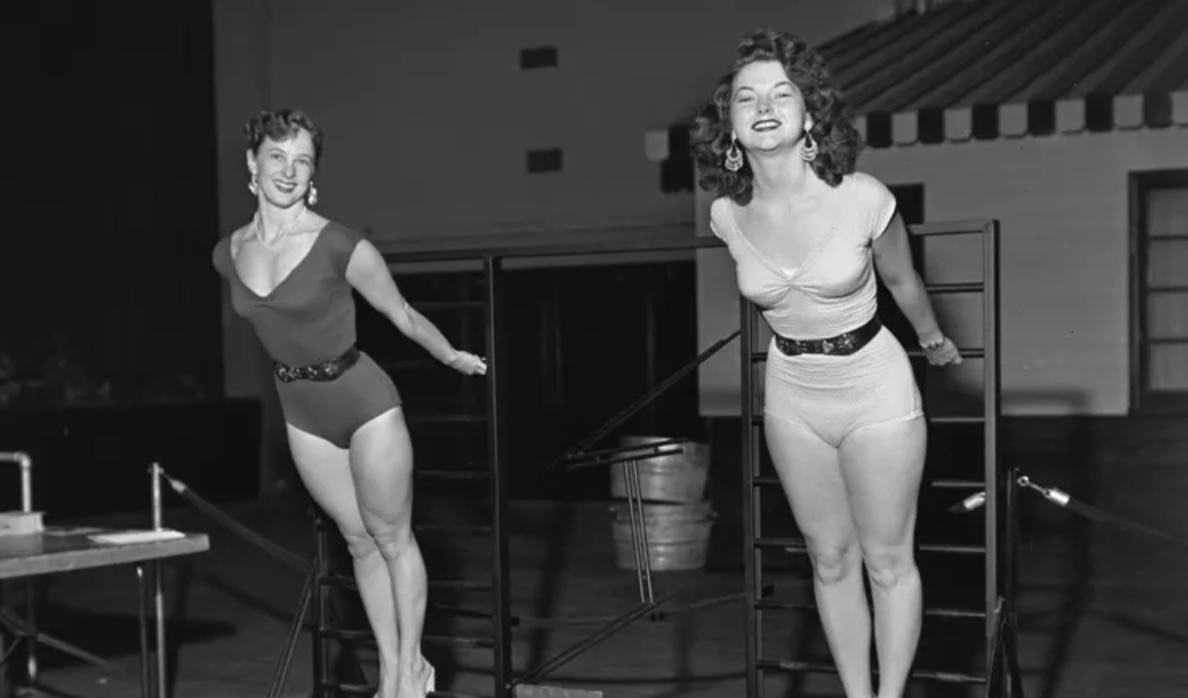
As fitness culture exploded in the 80s and 90s, new materials like Lycra and spandex entered the scene. These fabrics offered stretch, moisture-wicking capabilities, and a more flattering fit. Activewear became more than just uniforms — it became a form of self-expression.
Colors, patterns, and coordinated sets grew in popularity, making workouts about performance and aesthetics alike.
Athleisure Takes Over

By the 2010s, athleisure made activewear an everyday essential. Leggings replaced jeans for many women, sports bras became layering pieces, and hoodies turned into streetwear staples. Brands began balancing fashion-forward aesthetics with advanced performance technology.
This shift let women go from the gym to coffee dates without a wardrobe change — a true reflection of modern, busy lifestyles.
Today's Activewear: The Perfect Balance
Now, women's activewear is designed for multi-functionality. High-compression leggings enhance performance during weight training, breathable sports bras keep you cool in hot yoga, and cropped hoodies work just as well outside the gym as they do during warm-ups.
Bombshell Sportswear continues this evolution by delivering pieces that meet high-performance needs without sacrificing style.
Top Picks for Performance and Style
1. V Back Leggings

Sleek fit with sculpting detail and squat-proof stretch.
2. Toggle Sports Bra

Adjustable, supportive, and stylish for training or layering.
3. Gym Crush Hoodie

Lightweight layer for post-workout or casual wear.
4. Curvemax Shorts

Breathable, chic, and ideal for training or summer athleisure looks.
Where Activewear Is Headed Next
The future of activewear will continue blending high-performance features with on-trend design. Expect more sustainable fabrics, inclusive sizing, and technology-driven enhancements. From smart textiles that monitor performance to looks that transition seamlessly between workouts and social settings, the next chapter is already unfolding.
FAQs
1. What is the history of activewear?
Activewear began as modest, functional garments in the early 1900s and evolved into performance-focused styles in the 70s and 80s. Today, it blends fashion, function, and versatility for both athletic and everyday wear.
2. When did activewear become fashionable?
The athleisure trend in the 2010s made activewear a mainstream fashion choice, merging workout gear with streetwear style.
3. What materials are used in modern activewear?
High-stretch, moisture-wicking fabrics like spandex, Lycra, and polyester blends dominate modern activewear for comfort and performance.
4. How has women's activewear changed over time?
It has shifted from heavy, restrictive garments to lightweight, breathable, and stylish pieces that suit multiple occasions.
5. What are examples of stylish yet functional activewear?
Pieces like Bombshell's V Back Leggings, Curvemax Shorts, and Toggle Sports Bra combine performance features with a modern, flattering aesthetic.


